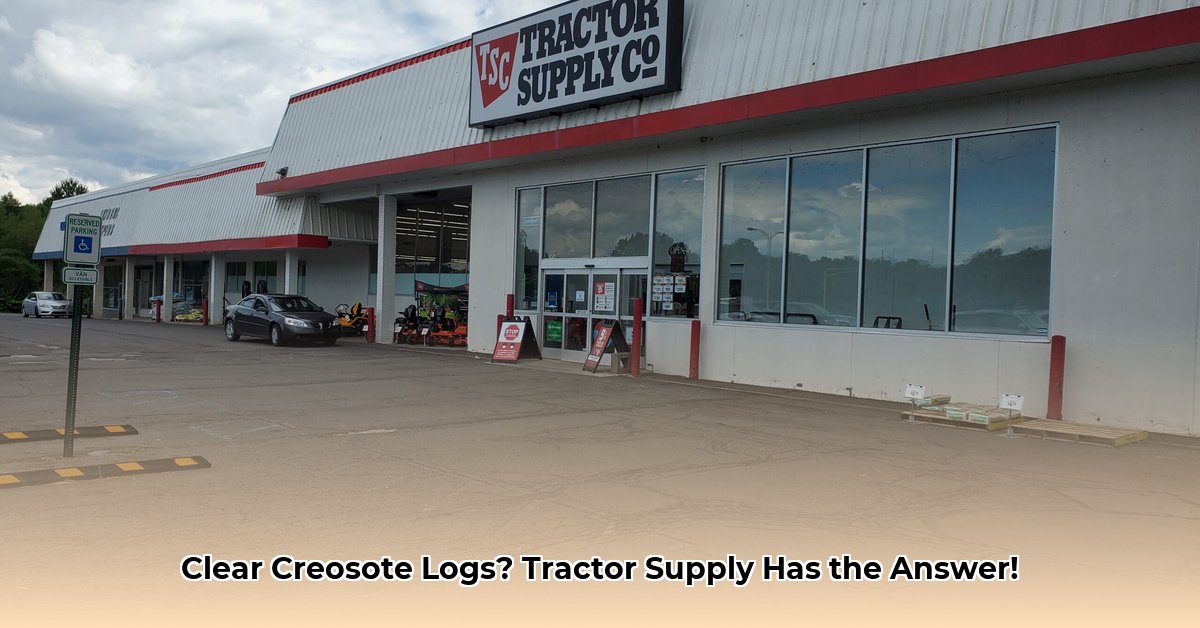
Creosote, a once-common wood preservative, now poses a significant threat to sustainable agriculture. Its toxic components leach into the soil, contaminating water sources and harming the delicate balance of the soil ecosystem. This silent menace undermines soil health, impacting crop yields, jeopardizing organic certifications, and even threatening human and animal well-being. This article explores the detrimental effects of creosote contamination, effective removal techniques, prevention strategies, and the role of resources like those available at Tractor Supply in creating a more sustainable farming future. For more information on soil remediation equipment, check out Tractor Supply resources.
Understanding Creosote's Impact on Sustainable Agriculture
Creosote is a complex mixture of chemicals, many of which are highly toxic. When creosote-treated wood decomposes, these toxins seep into the surrounding soil and groundwater. This contamination disrupts the beneficial microbial communities essential for healthy soil, impacting nutrient cycling and overall soil fertility. But the consequences extend far beyond diminished soil health.
The Ripple Effect: A Multifaceted Threat
The impact of creosote contamination reverberates throughout the agricultural system:
Organic Certification: Creosote contamination immediately disqualifies land from organic certification, severely limiting market opportunities for farmers striving for sustainable practices. This translates directly to economic hardship and reduced profitability. How can organic farmers compete if their land is rendered unusable for certification?
Soil Biodiversity Loss: Creosote's toxic chemicals decimate soil biodiversity, impacting the vital organisms that contribute to nutrient cycling and soil structure. A healthy soil ecosystem is a resilient one; creosote contamination severely weakens this resilience. This decline in biodiversity negatively impact crop health and long-term soil fertility.
Human and Animal Health Risks: The contamination can lead to crop contamination, posing risks to both humans and livestock consuming those crops. This poses serious health concerns for both consumers and the farmers themselves, adding another layer of complexity to the issue.
Effective Creosote Removal Methods: A Comparative Analysis
Removing creosote from contaminated soil is a challenging endeavor, but several methods exist, each with its own considerations:
Physical Removal: This involves excavating and disposing of the contaminated soil in a hazardous waste facility. It's expensive, labor-intensive, and only feasible for smaller-scale contamination. This method is disruptive and leaves a large environmental impact itself.
Bioremediation: A more sustainable approach, bioremediation utilizes naturally occurring microorganisms to break down the creosote compounds. While slower, it offers a more environmentally friendly solution with a lower carbon footprint. Research suggests promising advancements in enhancing the efficiency of bioremediation techniques.
Commercial Remediation Products: Retailers like Tractor Supply often carry products designed to aid in soil remediation. However, it’s crucial to carefully research the product's composition, efficacy, and potential environmental impact before implementing this method. While these products might provide some assistance, they are usually part of a larger remediation strategy and not a standalone solution.
Choosing the optimal removal method depends on the severity of the contamination, the scope of the area affected, available resources, and the overall environmental goals. A cost-benefit analysis often informs the best approach.
Prevention: A Proactive Approach to Sustainable Agriculture
Preventing creosote contamination is significantly more cost-effective and environmentally responsible than remediation. Several preventative measures can be implemented:
Sustainable Forestry Practices: Promoting sustainable forestry practices that minimize creosote use and encourage the adoption of environmentally friendly alternatives is a critical first step.
Responsible Waste Management: Proper disposal of creosote-treated wood is paramount. It should never be burned, as this releases toxic fumes into the atmosphere. Strict adherence to local regulations for disposal is crucial.
Alternative Materials: Choosing alternative building materials for farm structures whenever possible is a simple yet effective preventative measure. This reduces the risk of further contamination.
Navigating Regulations and Policy
Regulations regarding creosote use and disposal differ across regions, but many jurisdictions have imposed strict restrictions or outright bans on its use in agricultural settings. Farmers must be well-versed in and compliant with local regulations to avoid legal issues and contribute to environmentally responsible farming. Following these guidelines not only protects the farmer but also the environment and the surrounding communities.
Conclusion: A Collaborative Path Forward
Addressing creosote contamination demands a comprehensive, collaborative approach. Farmers, policymakers, researchers, and retailers like Tractor Supply all play a crucial role. By prioritizing preventative measures, employing responsible waste management practices, and implementing effective removal strategies where necessary, we can create a healthier, more sustainable agricultural future. The ultimate goal is a thriving agricultural system that supports both food security and environmental stewardship.